Australian Blind Football Athletes Reflect on Transformative Global Leadership Camp in Tokyo
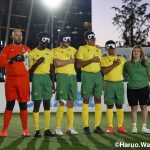
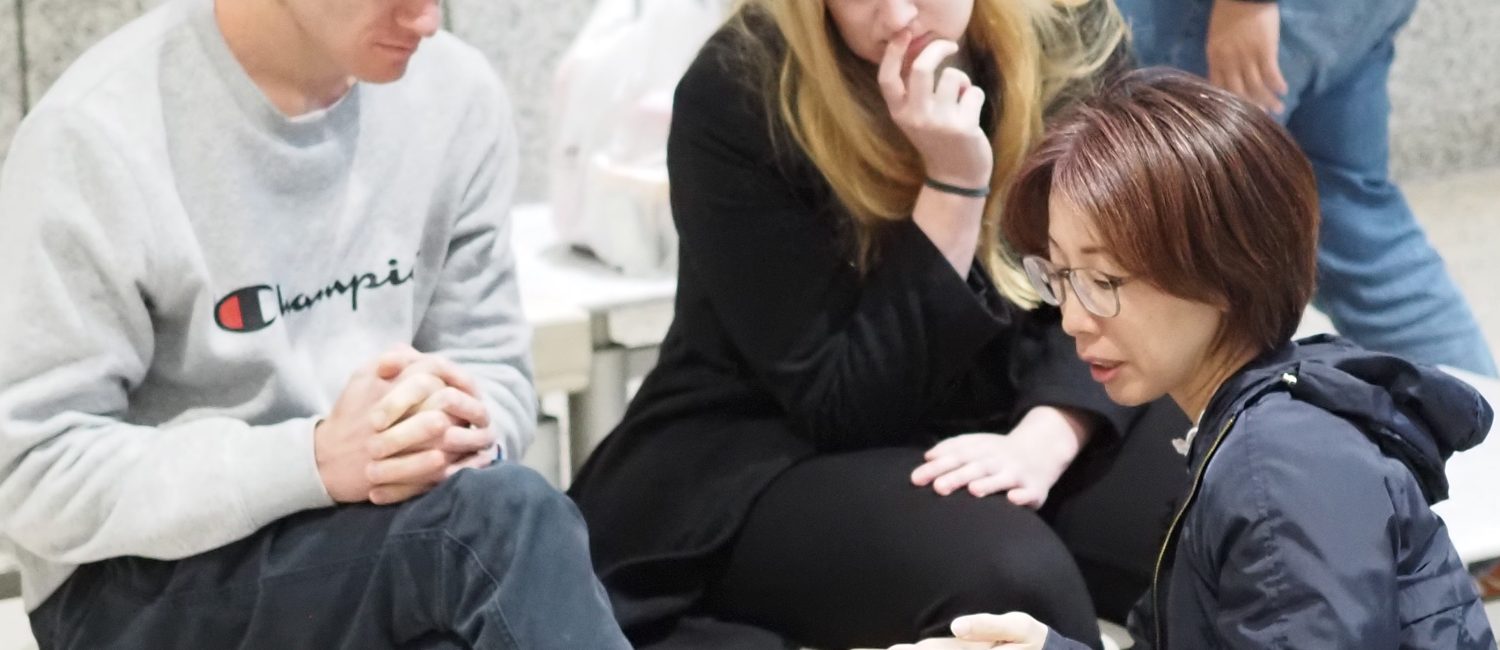
Australian blind football athletes Rachel Parkes and Brendan Spencer have reflected on their experience at the third Global Leadership Camp for Visually Impaired People in Japan, describing it as a defining moment in their leadership journeys and a powerful step forward for the future of blind football ahead of Brisbane 2032.
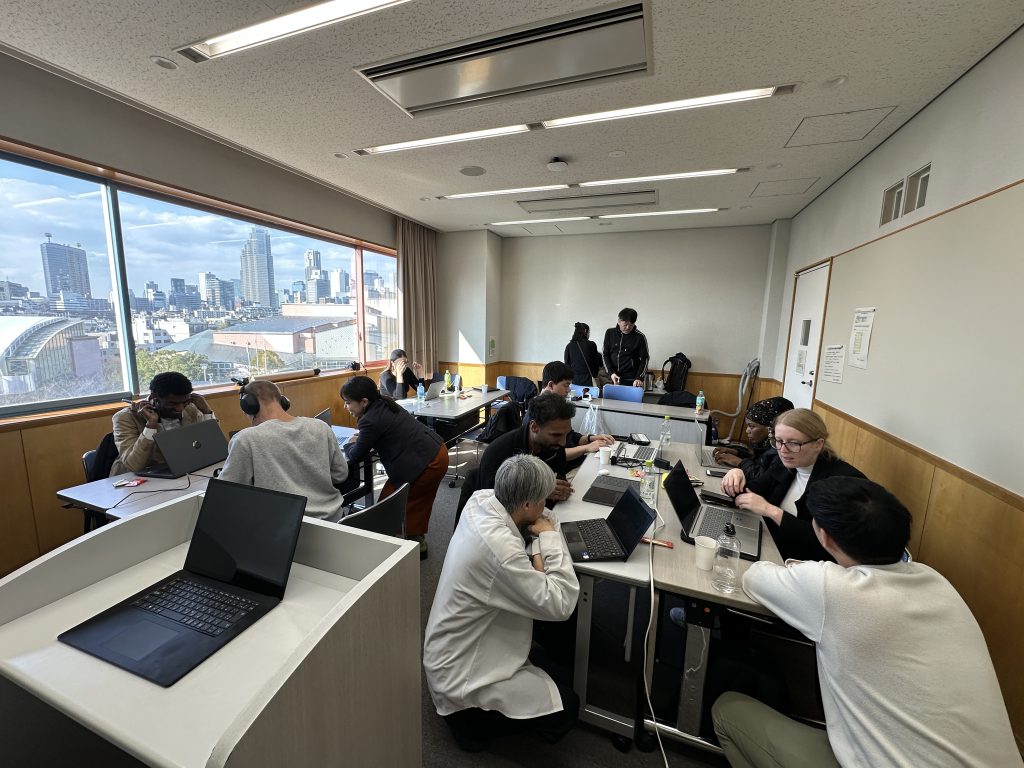
Held in March across Tokyo and Chiba, the week-long international program brought together seven emerging leaders from six countries. Each participant arrived with a personal “My Project” focused on addressing social challenges impacting visually impaired communities, with the program combining leadership development, innovation experiences, sport-based learning, and global collaboration.
“It exceeded everything I expected”
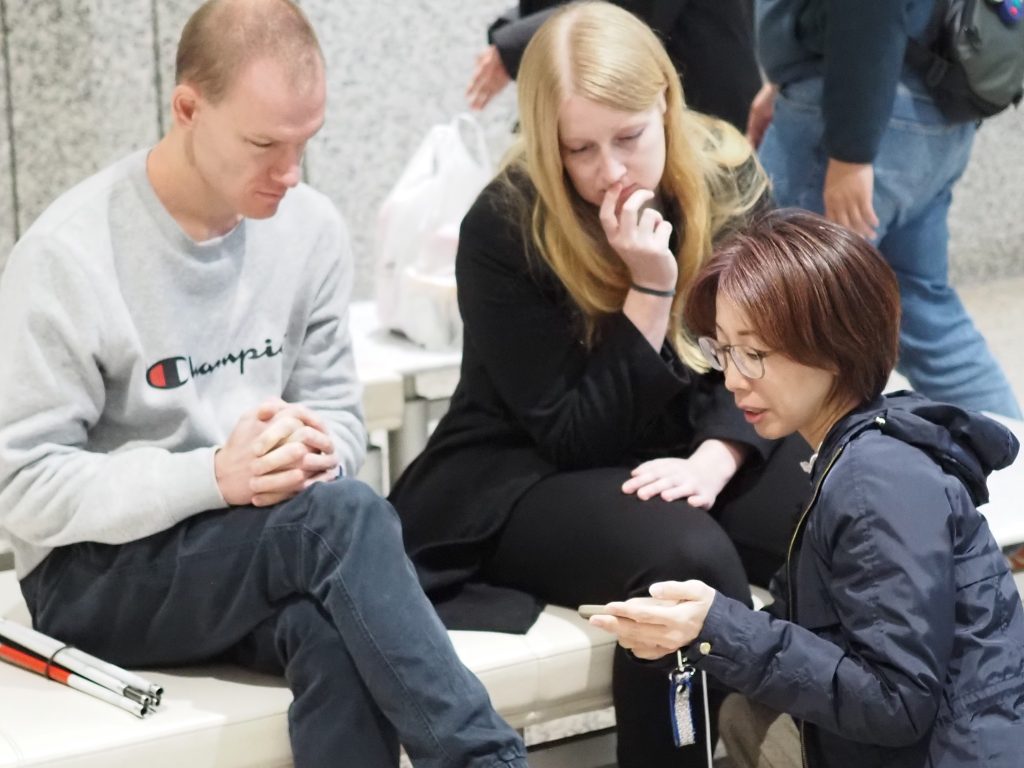
For Brendan Spencer, Captain of the Australian Blind Football team, the camp delivered far more than a traditional leadership program.
“I expected to be challenged about becoming a better leader through workshops and peer discussions,” Brendan said.
“But the experience exceeded my expectations. The depth of reflection around emotions, leadership, and mental health really stood out. Hearing everyone’s stories and going through that shared journey created strong connections very quickly.”
Brendan said one of the strongest takeaways was the importance of shared leadership and collaboration.
“It is okay to be imperfect. These are opportunities for learning. It’s about working together as a team rather than trying to carry everything individually.”
He said the experience has strengthened his long-term vision for blind football in Australia.
“It reinforced my belief that we can achieve big goals like Brisbane 2032 by breaking them into smaller steps and using the strengths of everyone in the team.”
“A renewed conviction for where the game is heading”
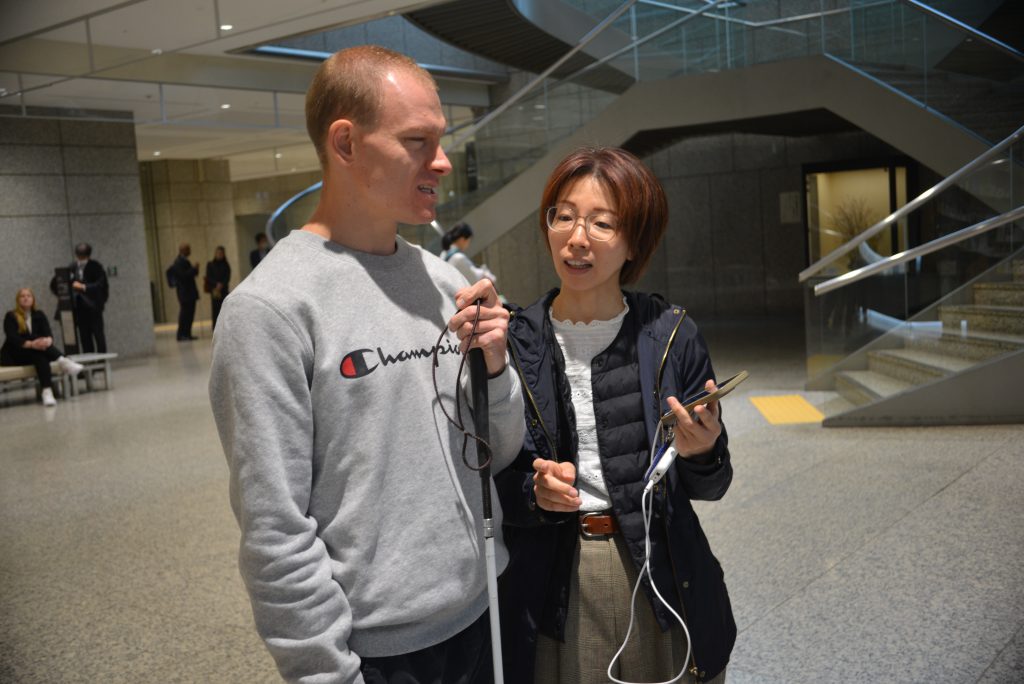
For Rachel Parkes, captain of the Australian women’s blind football team, the camp reinforced both personal leadership growth and her commitment to the development of the women’s game globally.
“I went in expecting to connect with other visually impaired leaders and develop my leadership skills through workshops and shared learning,” Rachel said.
“What stood out was how every session, every story, and every activity added something meaningful. It was far more powerful than I anticipated.”
Rachel said the camp challenged her thinking on leadership, teamwork, and shared responsibility.
“You can’t do it all yourself. You need to lean on people who share your values and work towards goals together,” she said.
A key focus for Rachel remains the growth of women’s blind football internationally and the pathway to inclusion at future Paralympic Games.
“The experience gave me real conviction. The gap between men’s and women’s participation is still significant, and I feel even more motivated to help change that — especially with Brisbane 2032 on the horizon.”
A global network built on shared purpose
Both athletes described the camp as a rare opportunity to connect deeply with peers from across the world, each working on projects aimed at creating change in their own communities.
Brendan highlighted the strength of that shared purpose:
“Everyone there had their own connection to blind football, but there was a collective mission to grow the sport internationally. That made the conversations and collaboration incredibly powerful.”
Rachel added that the relationships formed during the week continue to have impact well beyond the program itself.
“The networking was one of the most valuable parts. We weren’t just meeting people — we were building real relationships with people actively working to grow the sport in their own countries.”
Bringing it back to Australia
Both athletes said the experience has continued to influence how they approach leadership and their roles within Australian blind football.
For Brendan, the focus is on teamwork, structure, and breaking long-term goals into achievable steps. For Rachel, it is about advocacy, visibility, and accelerating opportunities for women in the game.
While the camp itself took place in March, both agree its impact continues to shape their thinking and actions today.
As Brendan reflected:
“You grow every single day in that environment, and you leave with lifelong connections and a stronger sense of purpose.”
And for Rachel, the message remains clear:
“It’s not just about leadership skills. It’s about the people you meet, and the belief you bring back with you.”